Learn when security guards can legally detain you, their authority limits, and your rights during detainment. Expert insights from professionals.
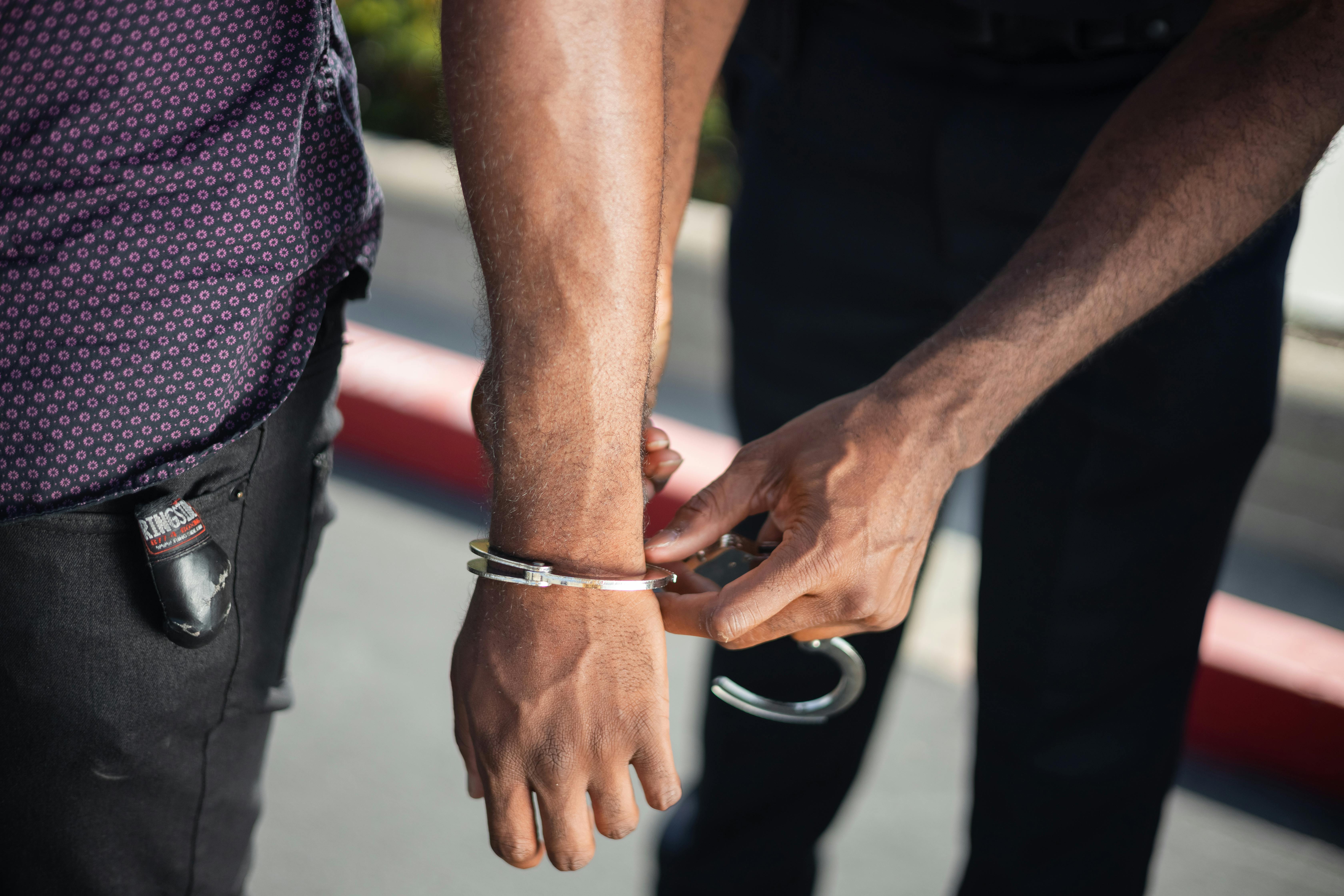
A common question we get asked by our clients and patrons is if a security guard has the legal right to detain you.
The answer is not a simple yes or no, and understanding the limitations of security guard authority can help protect your rights and appreciate the roles security guards play in their day to day responsibilities.
Can a security guard detain you?
The answer is yes, but only under specific circumstances. Security guards don't have the same powers as police officers, and their authority to detain someone is governed by strict legal boundaries. These limitations exist to balance public safety with individual rights.
The primary legal mechanism that allows security guards to detain individuals is called "citizen's arrest."
This is a legal concept that allows any private citizen - including security guards - to detain someone they witness committing certain offenses. The key word here is "witness." Security guards must personally observe the crime taking place.
In most jurisdictions, citizen's arrest applies to felonies and certain serious misdemeanors.
For example, if a security guard sees someone shoplifting, vandalizing property, or engaging in assault, they may have grounds to detain that person until law enforcement arrives. However, they cannot detain someone based on suspicion alone or on secondhand information from another person.
Security guards have no additional rights to detain or use unreasonable force more than any other citizen.
Even though they may be wearing a badge and uniform, they are still considered a citizen by the law. The only ones allowed to act with additional rights are police officers, not security guards.
When security guards do detain someone, the detention must be "reasonable." This means using only the minimum force necessary to prevent the person from leaving until police arrive.
Security guards cannot use excessive force, handcuff individuals (in most states), or conduct invasive searches.
Reasonable detention also has time limits. Security guards must contact law enforcement promptly and cannot hold someone for extended periods. While there's no universal time limit, detention should typically last only as long as it takes for police to arrive - usually 15-30 minutes.
Security guards have additional authority on private property. Property owners and their designated agents (which includes hired security personnel) can ask anyone to leave their premises if they see fit. If someone refuses to leave after being asked, they may be trespassing, which gives security guards grounds to detain them.
This applies to different locations including shopping malls, office buildings, hospitals, apartment complexes, and private events.
However, even on private property, security guards must follow proper procedures and cannot use unreasonable force.
There are several situations where security guards do not have the authority to detain you:
If a security guard attempts to detain you, you have rights. You have the right to know why you're being detained and can ask for their name and credentials. You should remain calm and avoid escalating the situation, but you can verbally assert that you don't consent to the detention.
You have the right to remain silent beyond providing basic identification in some jurisdictions. You can request that law enforcement be called immediately. If you believe the detention is unlawful, document everything you can safely observe and note any witnesses present.
Do not physically resist detention, as this could lead to additional charges even if the original detention was questionable. Instead, cooperate peacefully and address any legal concerns through proper channels afterward.
It's crucial to understand that security guards are not law enforcement officers. They cannot arrest you in the traditional sense, carry firearms in many jurisdictions without special licensing, access law enforcement databases, or enforce traffic laws on public roads.
Security guards work for private companies or property owners, not government agencies. Their primary role is to observe, report, and deter crime - not to investigate or prosecute offenses.
Reputable security companies ensure their guards receive comprehensive training on legal detention procedures, de-escalation techniques, and civil rights. Professional security personnel understand their limitations and work collaboratively with law enforcement rather than trying to replace them.
Quality security services focus on prevention and early intervention rather than confrontation. Well-trained guards can often resolve situations through communication and presence alone, making detention a last resort rather than a first response.
Understanding whether a security guard can detain you comes down to knowing both your rights and their authority.
Security guards serve an important function in protecting property and people, but they must operate within legal boundaries. Similarly, while you have rights that cannot be violated, security personnel deserve respect when they're performing their duties lawfully.
If you are in need of professional security services that operate with integrity and legal compliance, partner with Members In Black Private Security because we prioritize proper training and ethical practices.
The safety of your business and customers is never something to take lightly. At Members In Black, we take this matter seriously and will ensure that the highest quality of customer service is reached at all times.